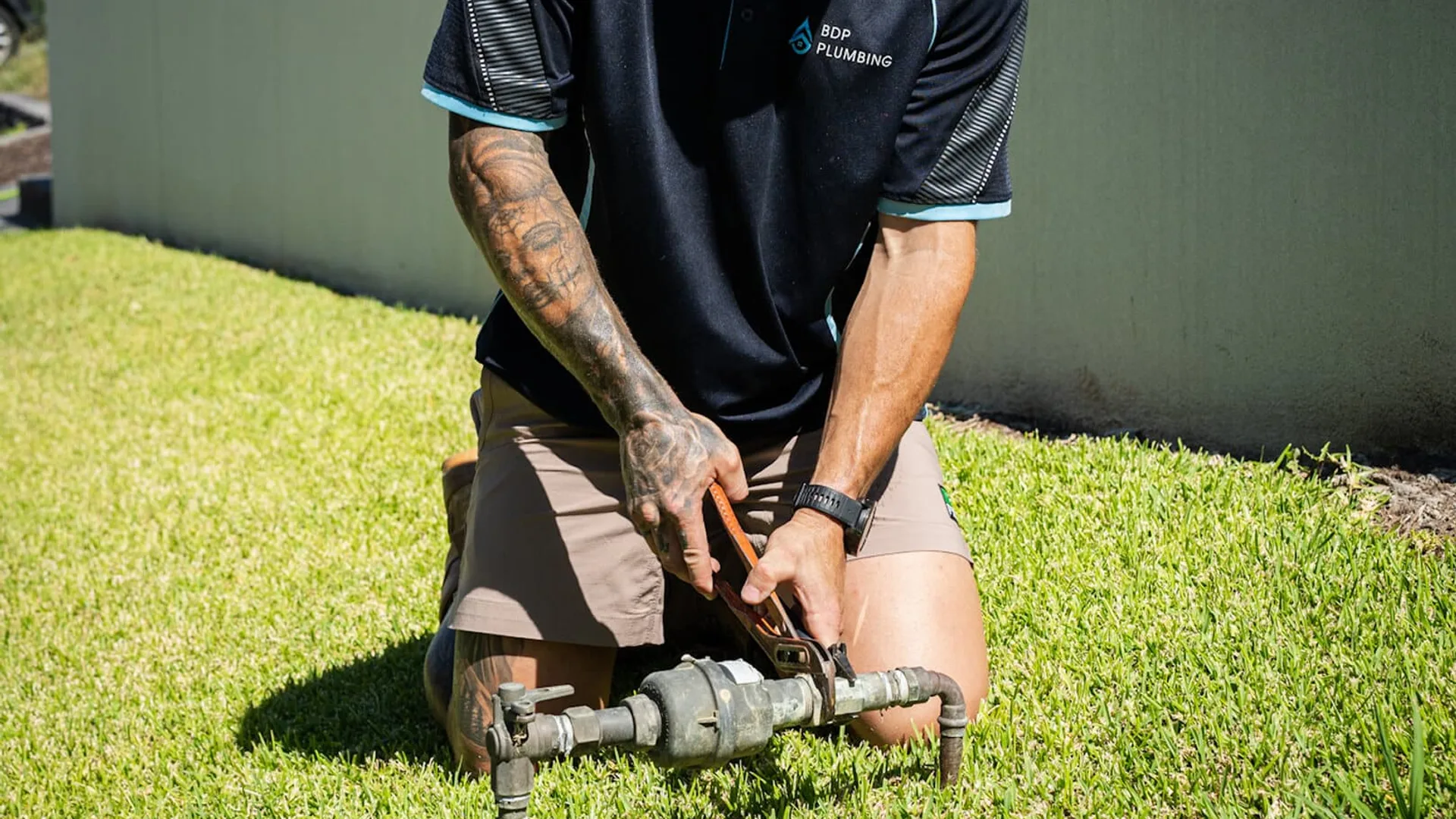
Emergency Plumbing in Toronto
Burst Pipe Plumbing in Toronto
A burst pipe does its worst work in the first ten minutes. Plumbers Toronto takes burst pipe calls across Toronto and the nearby western-lake suburbs, and the first thing we do on arrival is shut the failed section down so the damage stops growing.
This page covers what a burst looks like, the causes we find most often, what you can safely do before we arrive, and the repair from your call through to a pressure-tested line.
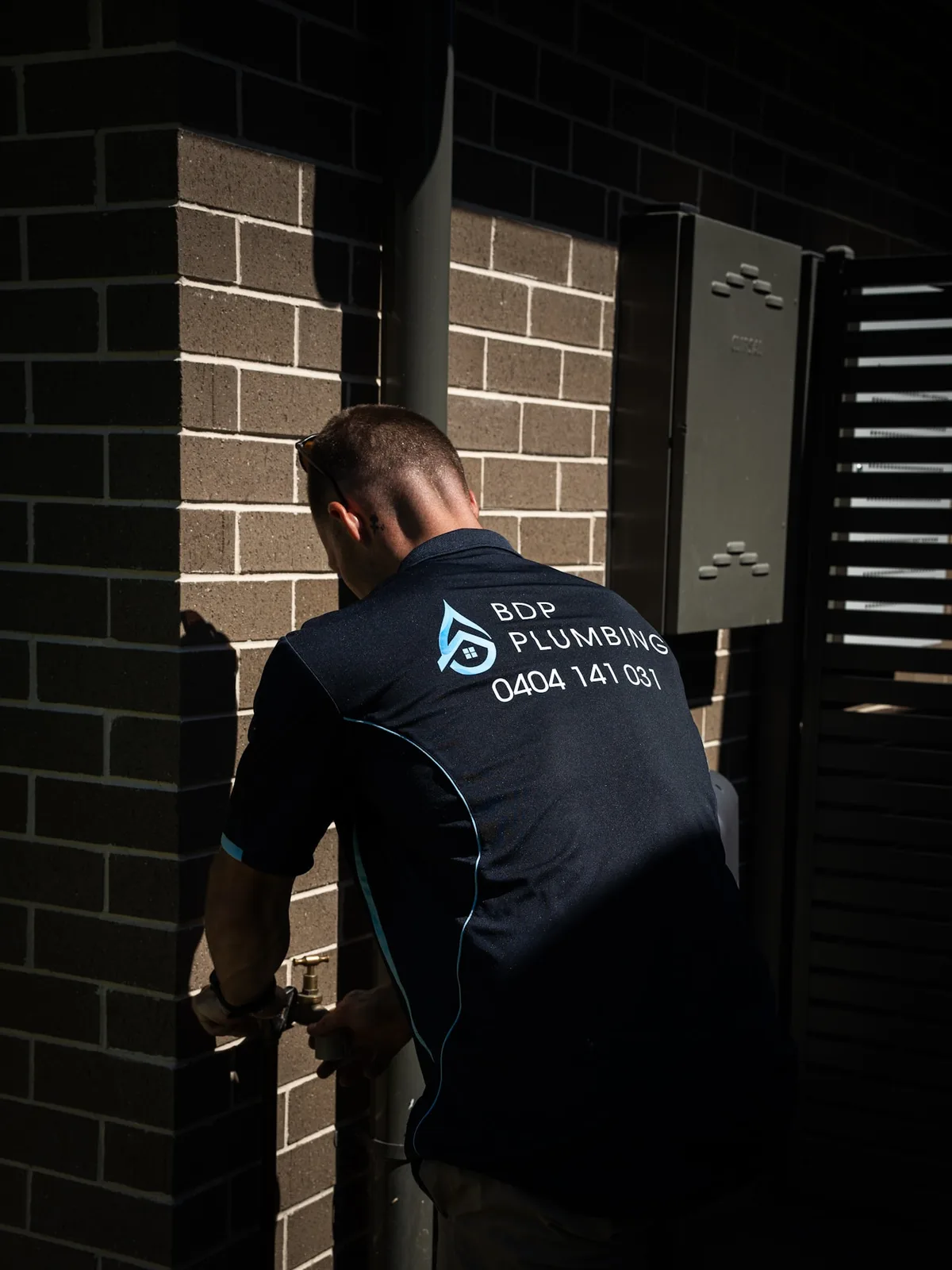
Spotting a Burst Before It Becomes a Flood
Not every burst announces itself with a fountain. Some do, especially a split supply line or a failed hose, and those are obvious.
Others start quietly. Watch for:
- Water pooling at the base of a vanity, laundry tub or hot water unit
- A sudden pressure drop at every tap in the house
- Damp patches on walls or ceilings that grow rather than dry out
- Hissing behind a wall or under a floor with no tap running
- A water meter spinning while everything is switched off
That last one, a meter moving with everything off, means water is escaping somewhere right now. The leak detection page explains how we trace a hidden one.
Why Pipes Let Go Around Here
The housing mix explains most of it. Fibro and weatherboard cottages sit near the foreshore, mid-century brick homes fill the middle streets, and newer units cluster around the town centre.
Each era fails in its own way, and the causes run from a ten-dollar hose to a century-old supply line. The common ones, mildest first:
Failed flexi hoses
The braided hoses under sinks and vanities last about a decade before the lining gives way. They are the most common sudden-burst call across the suburb's housing mix.
Worn joints and fittings
Mid-century brick homes carry original fittings that have cycled pressure for fifty years or more. A compression joint can weep for months, then open up properly on a cold morning.
Ground movement
Blocks near the lake sit on reactive clay, which swells and shrinks with the seasons. That movement flexes rigid pipework year after year until a worked joint finally gives.
Corroded galvanised supply lines
Steel pipe rusts from the inside out, so the wall looks fine while the bore thins. When it splits, it usually goes at a joint in the older cottages.
What You Can Safely Check First
Your first job is stopping the water, not finding the fault. The shut-off valve usually sits near the water meter or wherever the supply enters the house.
- 1
Turn the shut-off valve clockwise until it stops.
- 2
Open a laundry tap to drain the pressure out of the lines.
- 3
Keep clear of wet areas around appliances and the meter box.
- 4
Move rugs, boxes and furniture out of the water while you wait.
Do not wrap, clamp or glue a burst as a repair. A temporary wrap that holds for an hour often hides where the real fault sits and makes the proper fix harder to price.
Do not wait on this
When to Ring Straight Away
Some situations cannot wait for a convenient hour. Ring immediately if:
- Water is coming through a ceiling or down an inside wall
- The leak is spreading near wiring, appliances or the meter box
- The shut-off valve cannot be found or turned
- Water keeps flowing even with the supply turned off
- The burst is flooding a unit floor or a neighbour's ceiling
If the flow is slow and contained, turning the water off and ringing first thing is a reasonable call. Use your judgement on the damage rate, and when in doubt, ring.
An overflowing toilet and a dead hot water system are the other two calls we race to. The emergency plumbing hub covers both, along with no hot water and overflowing toilets in detail.
How the Repair Runs
- 1
Call and tell us
Ring (02) 4063 3438 and tell us what's going on in Toronto. We'll ask a few quick questions so the right gear is on the truck the first time.
- 2
Quote before work
You get the price before anything starts. No call-out fee, no hourly surprises. You approve the quote or we shake hands and leave, no charge.
- 3
Isolate, repair, confirm
We shut the flow down at the failed section, repair or replace the damaged pipe, and pressure-test the line before we pack up so you know the fix holds.
- 4
Backed, no questions asked
If something isn't up to standard afterwards, we come back and make it right, no questions asked. That's the standard every Toronto job is held to.
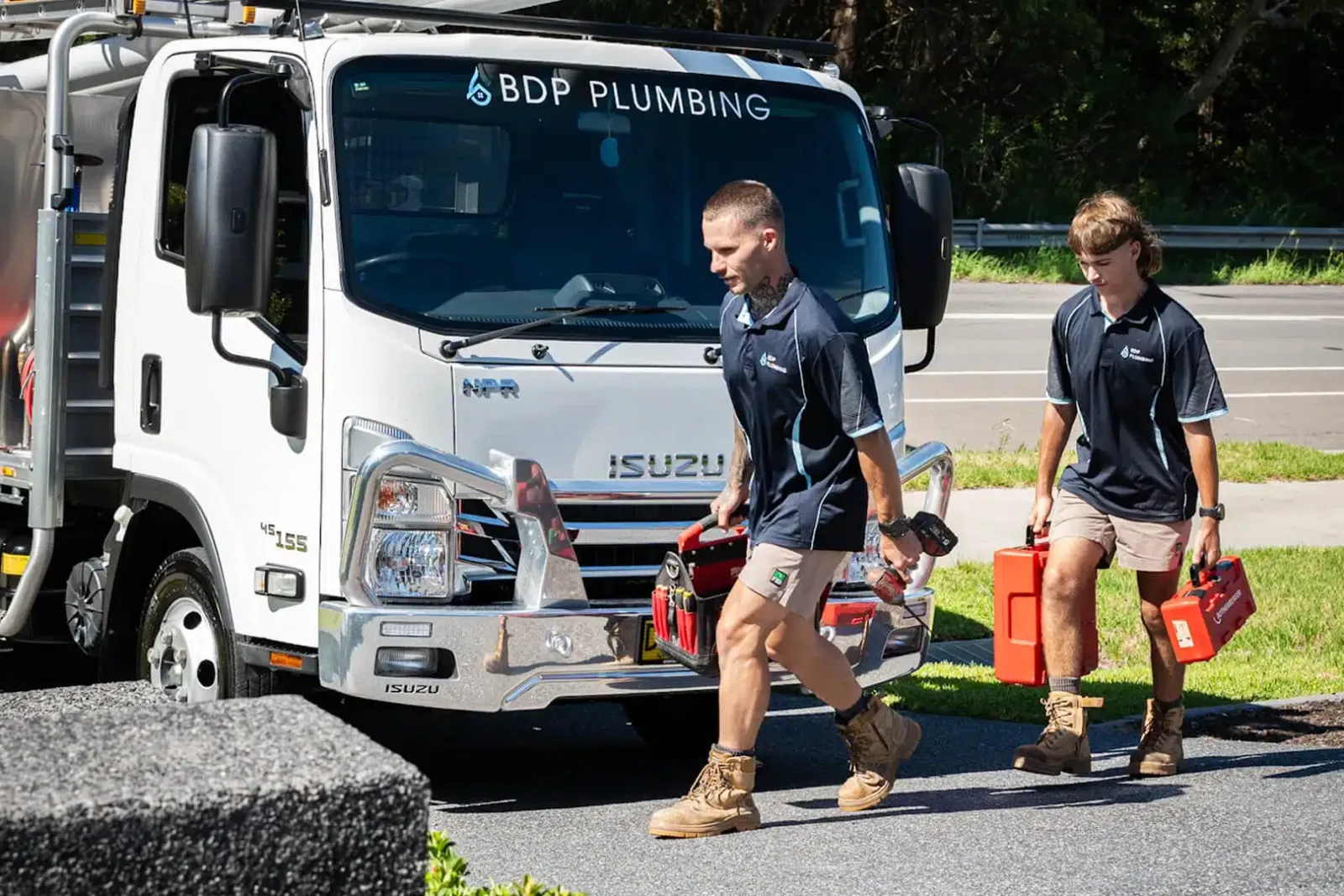
Why Ring Us First
$0 call out.
Price agreed up front.
Common Questions About Burst Pipes
Can a burst pipe wait until morning?
Usually not. Water moving through a ceiling or across a floor does damage every minute it flows. Turn the water off at the meter, then ring us straight away.
Do you repair a burst flexi hose or replace it?
We replace it. A braided hose that has split is not worth patching, and a new one with a proper connection costs far less than the damage the old one causes.
Will you have to open up walls to find the burst?
Often no. Tracing the leak with detection gear first means we open the smallest area possible, if any. Where pipe must come out, you see the price before walls open.
Can corroded galvanised pipes be replaced after a burst?
Yes, and it is often the smart move. If one section of an old supply line has let go, the rest is not far behind. We quote replacing the affected run.
Who fixes the water damage after the pipe is repaired?
Our job is the plumbing side: stopping the flow, repairing the pipe and confirming the line holds pressure. Carpets, plaster and painting sit outside that, and we finish the plumbing first.
Do you cover suburbs near Toronto as well?
Yes. Along with town, our run takes in Blackalls Park, Carey Bay, Kilaben Bay, Rathmines and Awaba, plus the wider western shore of the lake. If you are unsure, ring and ask.
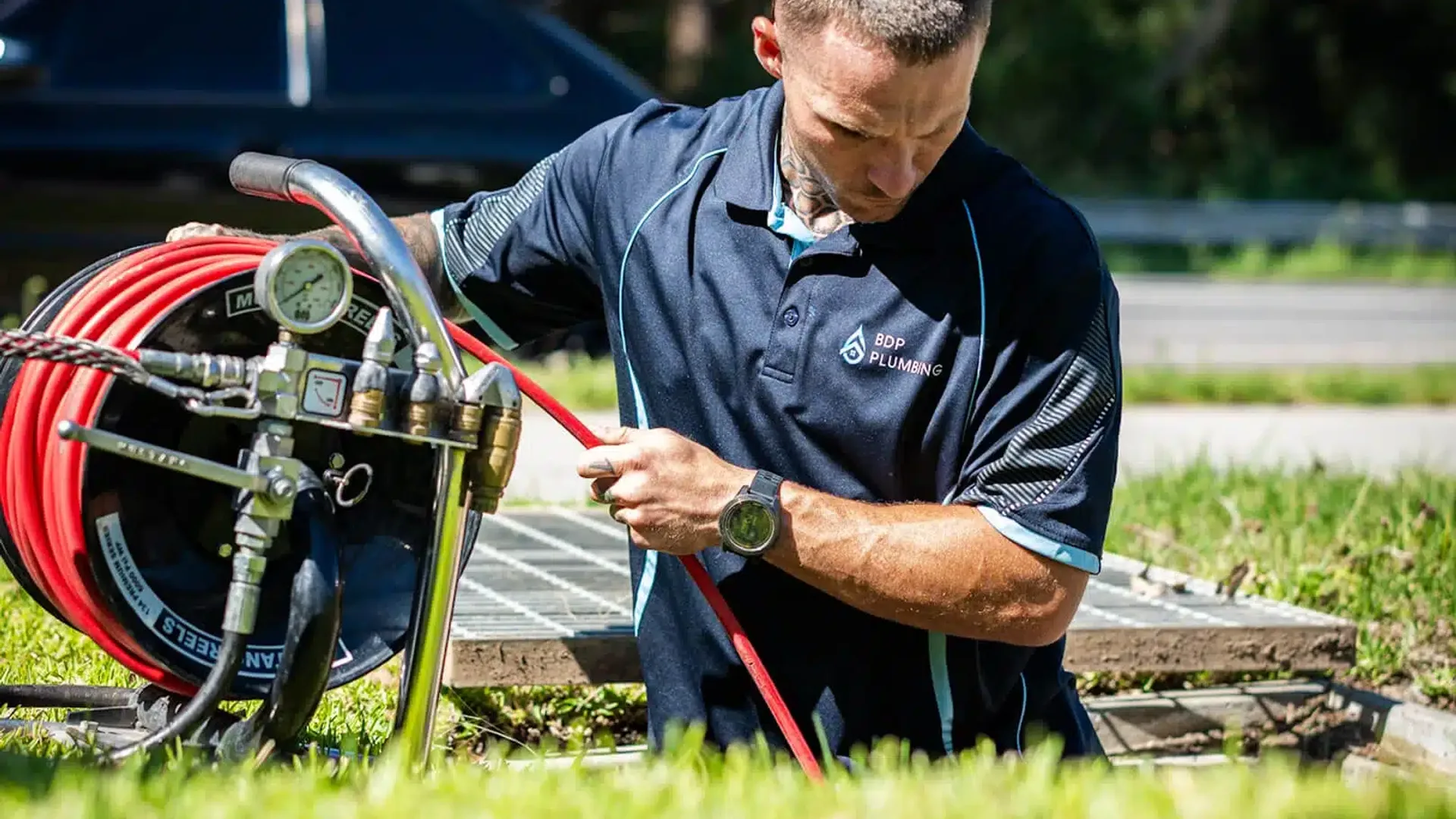
Plumbers in Toronto and the suburbs around it
Call Before the Water Spreads
Every minute a burst keeps running, the repair bill grows past the plumbing itself.
Call (02) 4063 3438 and tell us what's happening. $0 call out across Toronto, a clear quote before any work starts, and a job that gets made right if it isn't right the first time.
Once the burst is fixed, it is worth having old supply lines looked at before they fail again. General repairs and upgrades sit under general plumbing, and the home page maps the full range of work.