Drainage in Toronto
CCTV Drain Inspections Toronto
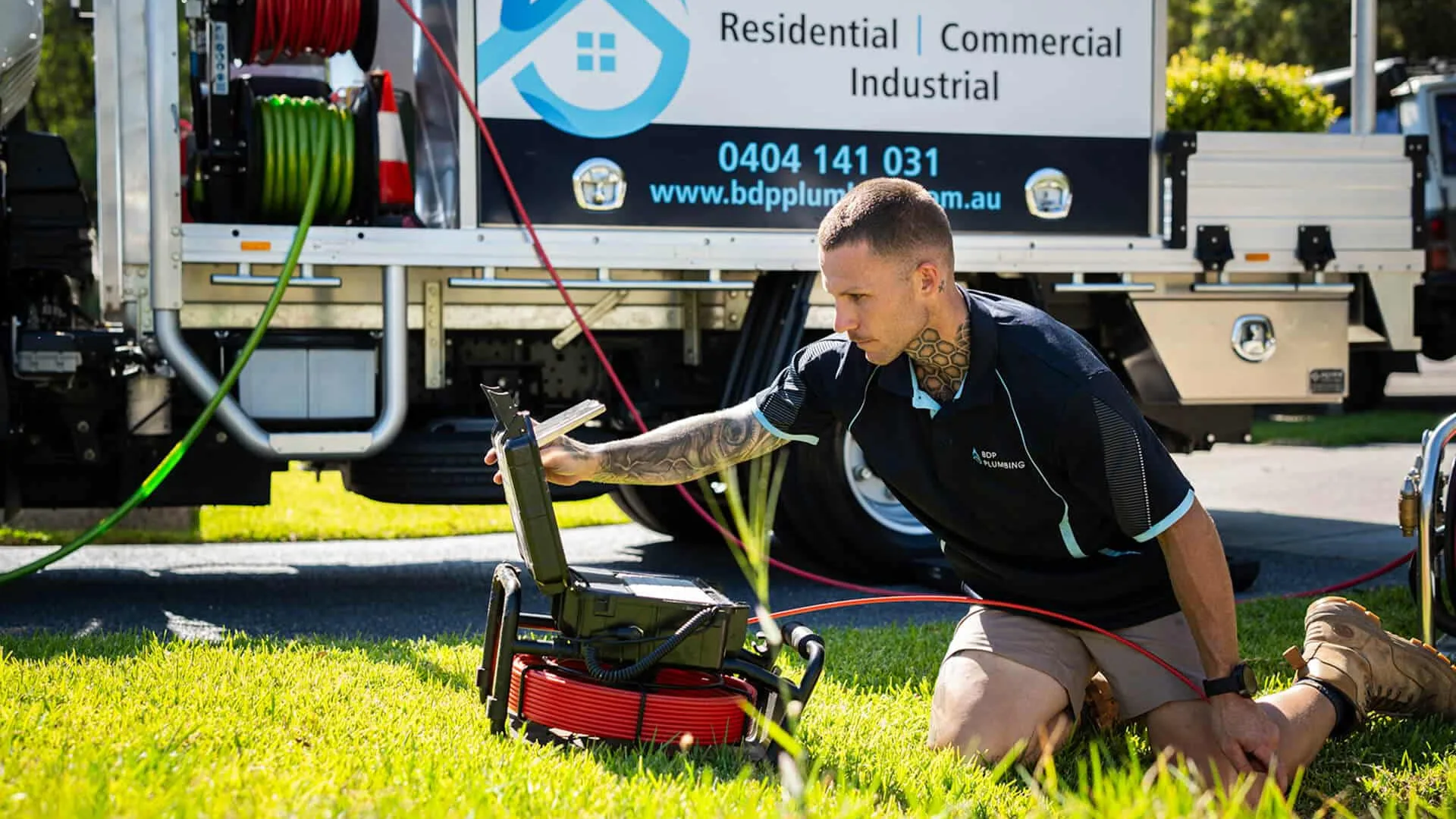
Nobody knows what is inside a drain until a camera goes down it. A CCTV survey puts the fault on screen: the root mass, the crack, the sag or the collapsed section, seen before anyone quotes or digs.
Why that matters. A line that blocks every few months is a different job from a one-off choke, and the footage shows which one you have. Start at the Toronto home page, or go straight to the drainage hub for the full picture.
Why Look Before You Dig
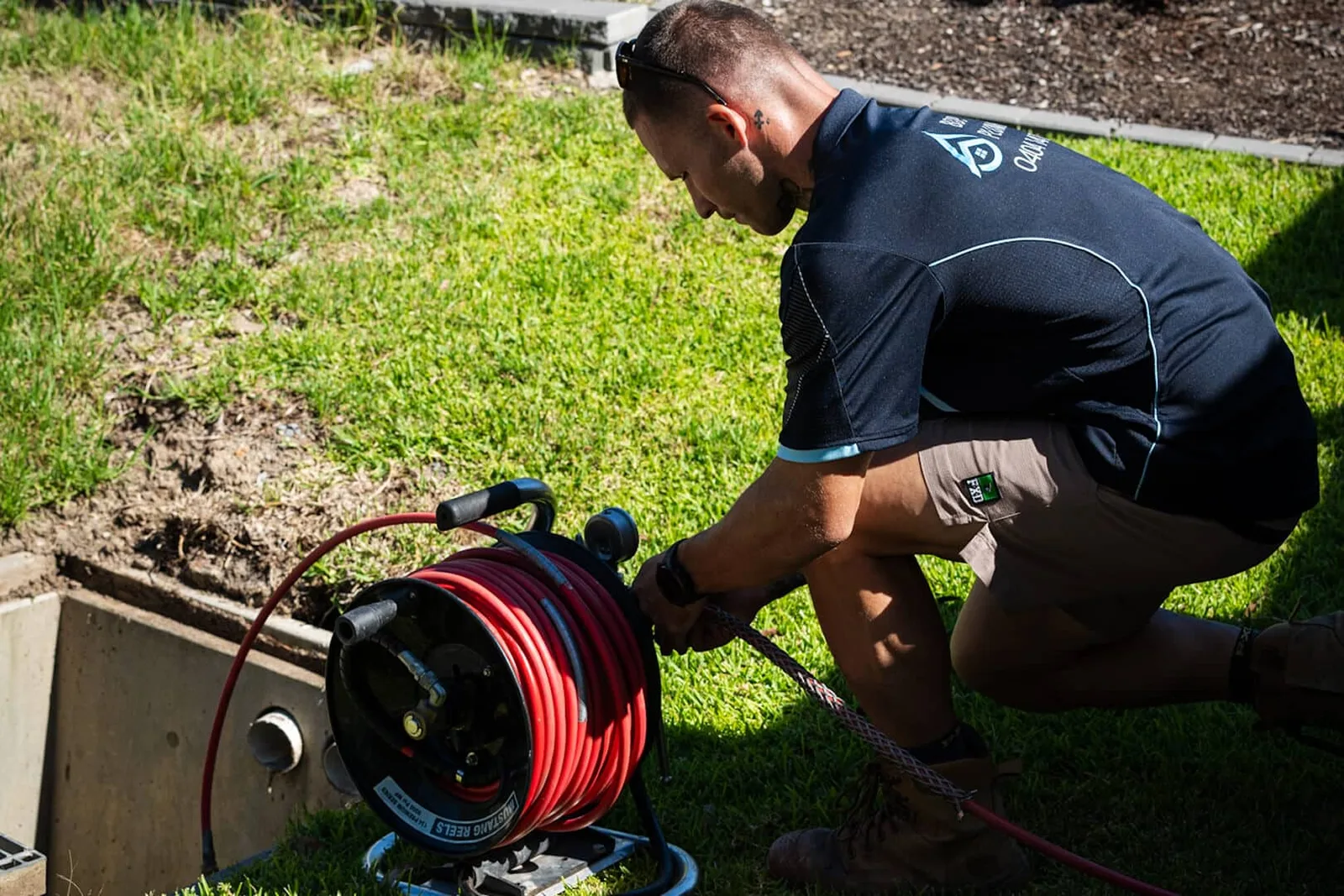
Digging to find a fault is slow, messy and only right as a last resort. A camera run answers the question properly the first time, without a shovel.
The camera head records as it travels: water level, joints, roots, cracks and build-up. You finish with the location and the severity of the fault, not a theory.
One more benefit. A survey also settles whether the trouble is in the drain or the supply side, which is where leak detection picks up.
What a Camera Run Finds
Most surveys end with one of a handful of findings, and the usual suspects around town are:
Roots through a clay joint
A cracked or broken section
A sag or belly in the run
Flushed items and grease
Each has a different fix, and the footage tells you which one is yours before anyone prices the job.
When a Survey Makes Sense
Repeat blockages are the obvious trigger, though far from the only one. Book a camera run when:
- A drain clears and blocks again within weeks
- Several fixtures back up at the same time
- You are buying a house and want the drains checked first
- A sewer smell hangs around the yard with no visible leak
- A low-lying street near the lake needs checking before storm season
That last one matters here. Foreshore streets take stormwater surcharge when heavy rain falls on the Lake Macquarie catchment, and a survey in fine weather finds cracks while they are still small jobs.
If water is already spreading through the yard or house, that becomes an emergency plumbing call instead.
How the Inspection Runs
The process is the same whether the line runs under a cottage or a shop.
- 1
Call and tell us
Ring (02) 4063 3438 and tell us what's going on in Toronto. We'll ask a few quick questions so the right gear is on the truck the first time.
- 2
Quote before work
You get the price before anything starts. No call-out fee, no hourly surprises: you approve the quote or we shake hands and leave, no charge.
- 3
Camera down the line
The head is fed through an access point and worked along the run, with the picture watched live so the fault is found and located as it appears.
- 4
Backed, no questions asked
If something isn't up to standard afterwards, we come back and make it right, no questions asked. That's the standard every Toronto job is held to.
What the Footage Leads To
The survey is only useful if it leads somewhere. Once the line has been seen, you get a straight answer and the realistic options.
Roots that have just started
Recurring intrusion in old clay
A cracked or collapsed section
A blockage only
Sometimes the finding changes the conversation. A toilet that keeps surcharging can point back to the sewer, which is blocked sewer territory, while heavy-rain overflow points at blocked stormwater and a one-off choke is a plain blocked drain clear.
Why Choose Us
$0 Call Out
Quote First, Always
Licensed Local Plumbers
Made Right, No Questions Asked
After the camera work, the same crew handles whatever the footage found, so nothing gets lost between the survey and the repair.
Where the Faults Usually Sit
Four patterns show up again and again on camera runs around town:
Earthenware joints under the older streets
Houses from the first subdivision decades often drain through brittle earthenware and clay lines, and a camera run shows exactly which joint the roots have found, and how far the damage runs.
Fibro and weatherboard cottages
Fibro and weatherboard cottages on the older blocks sit on garden soil that mature trees have colonised for decades, so root intrusion in the sewer is common.
Low-lying streets and storm season
Foreshore streets sit low to the lake, and intense rain on the catchment surcharges stormwater lines, so a pre-summer survey picks up cracks and silt before it turns urgent.
Excelsior Parade and the leafy runs
Excelsior Parade and streets like it carry mature street trees whose roots hunt for moisture, and a survey along that run shows whether a blockage is a one-off or a pattern.
Drain Camera Questions
What does a camera actually show inside a drain?
The head records joints, roots, cracks, sags and build-up along the run. You see the fault itself rather than a guess based on how often the drain has blocked.
Do you quote a repair based on the footage?
Yes. The picture shows whether the job is a simple clear, a section repair or something bigger, and the price follows that evidence before any work starts.
Can stormwater lines be inspected as well as sewers?
Both get surveyed. Cracked stormwater sections and silt build-up are common along the lake's low-lying foreshore streets, and finding those faults in fine weather beats finding them mid-storm.
How long does a camera inspection take?
A standard house run usually finishes inside an hour once the access point is located. Longer runs or a partly blocked line take more time, and the price is confirmed first.
Do I get to see the footage myself?
You can. We walk you through what the camera found in plain language, so you decide on the repair with the picture in front of you instead of taking it on trust.
Do you cover suburbs near town like Blackalls Park?
Yes. The regular run takes in Blackalls Park, Carey Bay, Kilaben Bay, Rathmines and Awaba, so a camera job out that way gets the same survey and the same quote-first process.
Plumbers in Toronto and the suburbs around it
Book Your Camera Run
Call (02) 4063 3438 and tell us what's happening. $0 call out across Toronto, a clear quote before any work starts, and a job that gets made right if it isn't right the first time.